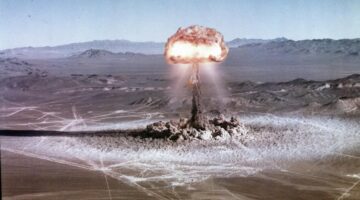
New START expires: Will a new US-Russia nuclear arms race follow?
President Donald Trump "will decide the path forward on nuclear arms control, which he will clarify on his own timeline," a White House official told Breaking Defense.
President Donald Trump "will decide the path forward on nuclear arms control, which he will clarify on his own timeline," a White House official told Breaking Defense.

"I would reiterate that we don't think that conflict [with Taiwan] is imminent or inevitable: We think that we have deterrence today that's real and strong,” said a senior US defense official.

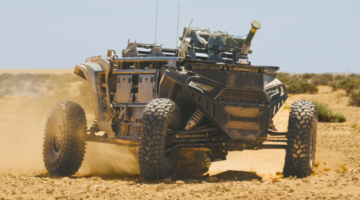
One commander, many robots: Fully autonomous ground vehicles are reshaping the battlefield.

Vipin Narang, DoD's top nuclear policy official, explained that while current modernization plans — estimated by the Government Accountability Office last October to cost at least $350 billion over the next two decades — are "necessary," they "may well be insufficient" to meet current and future threats.
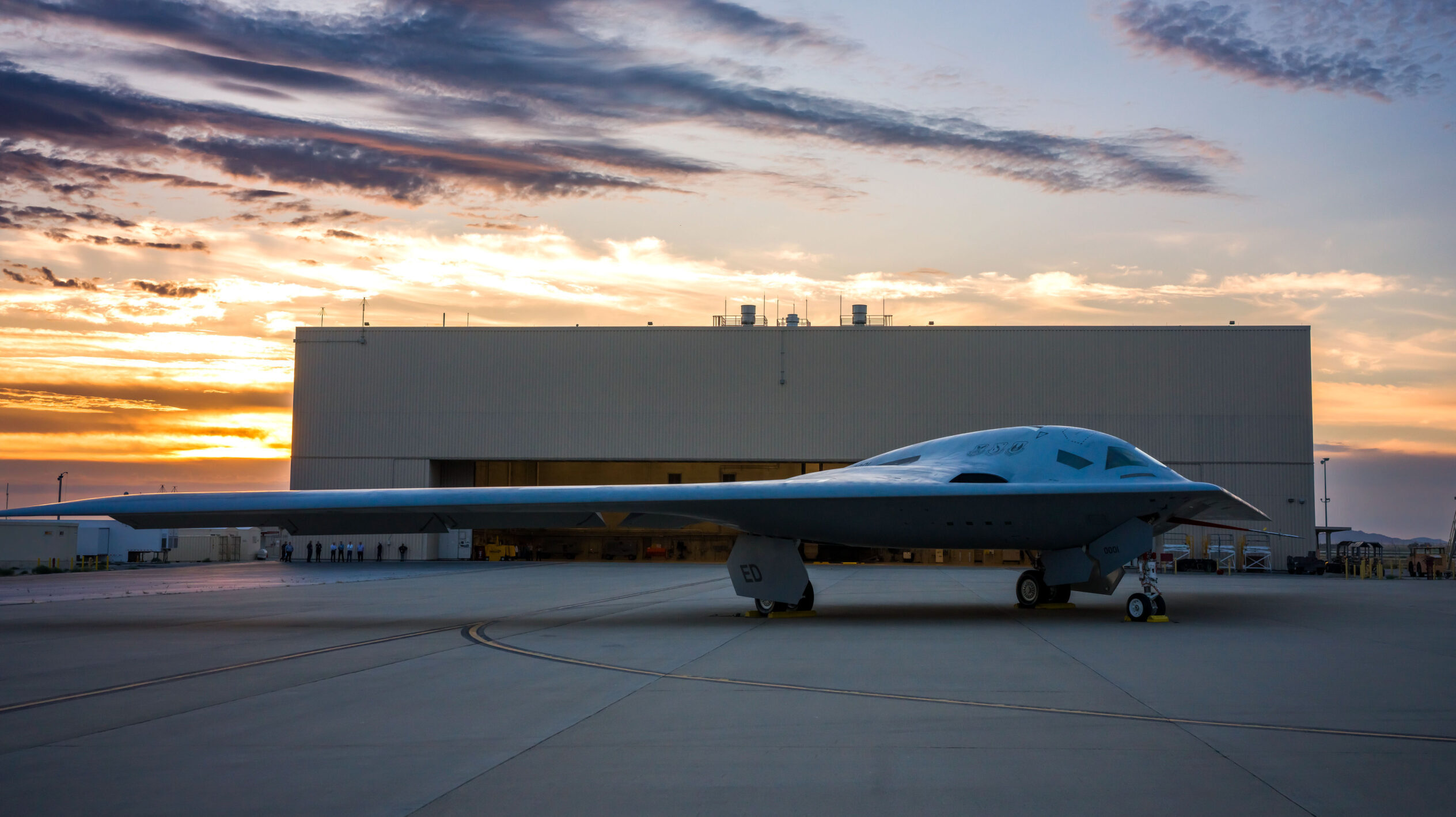
“The thing with the H-20 is when you actually look at the system design, it's probably nowhere near as good as US LO [low observable] platforms, particularly more advanced ones that we have coming down,” said a DoD intelligence official.
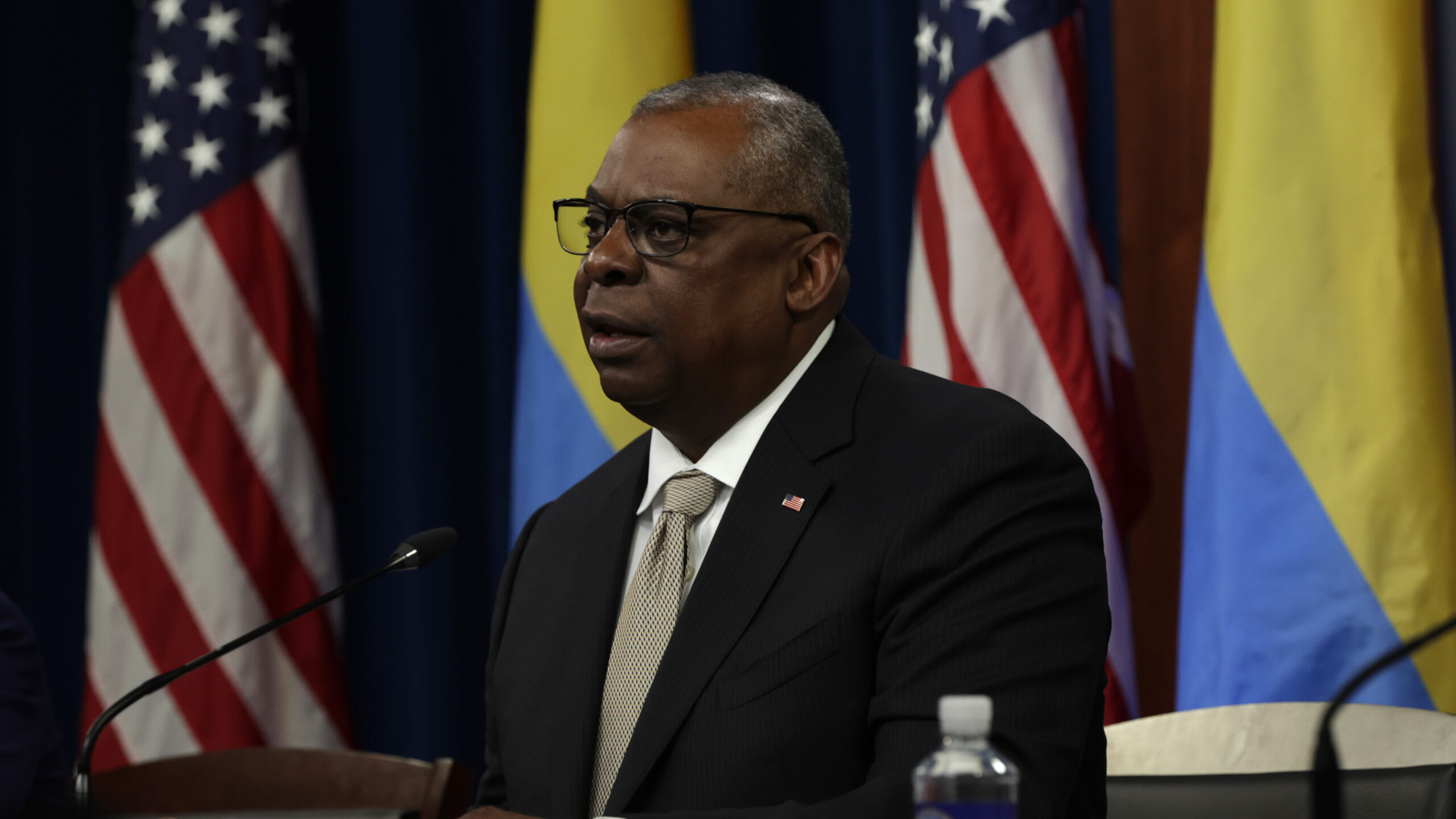
During a roundtable with reporters a STRATCOM representative said recent comments by Russia's Vladimir Putin "wanted to message that he would not take first strike off the table.”

For US nuclear stocks, Jill Hruby of the Department of Energy said, "this is the most demanding moment in the history of our nation's nuclear enterprise since the Manhattan Project."

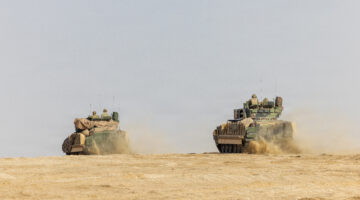
Army vehicles like Bradley need greater power at the sprocket for speed, braking, and manueverability.
“What we're looking at here, it raises some questions, I think, about their intent,” a senior defense official told reporters.

Ambiguity marks China's management of its nuclear forces and how it discusses them and uses them to deter. Unlike the US and Russia, Dean Cheng said "the Chinese believe ambiguity and doubt promote deterrence."

The context for President Biden's almost four-hour discussion Monday night with President Xi Jinpeng, Kurt Campbell said, is "that the United States is here to stay in the Indo-Pacific, and we're going to defend and support the operating system that has been so good for so many of us for many years."

"It is going to take us 10 to 15 years to modernize 400 silos that already exist. And China is basically building almost that many overnight. So the speed of difference in that threat is what really concerns me most," Gen. John Hyten, vice chairman of the Joint Chiefs says.

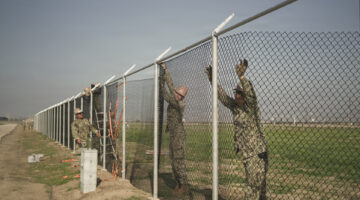
Traditional thinking about how to protect facilities must adapt to new threats such as drones or downstream attacks.

The combination of a modern long-range bomber (the H-20), and an expanded seaborne ballistic missile force, as well as this massive inflation of the land-based ICBM component, makes China’s nuclear forces look far more like their “hegemonic” counterparts in Russia and the United States than the minimal or limited deterrent presented by French or British nuclear forces.

"The growing diversity of the Chinese nuclear threat and its mixing in with conventional forces creates complexity for US commanders. It is also unclear what conditions would lead to PRC nuclear use, since their arsenal is growing and creating more options," Bryan Clark of the Hudson Institute says.